
MYTH 01
“Parents cause autism.”
Fact: Autism is neurodevelopmental. It is not caused by poor parenting or a lack of affection.
Understanding autism changes how we listen, teach and create space for one another. An accessible guide for families, educators and every community ready to learn.
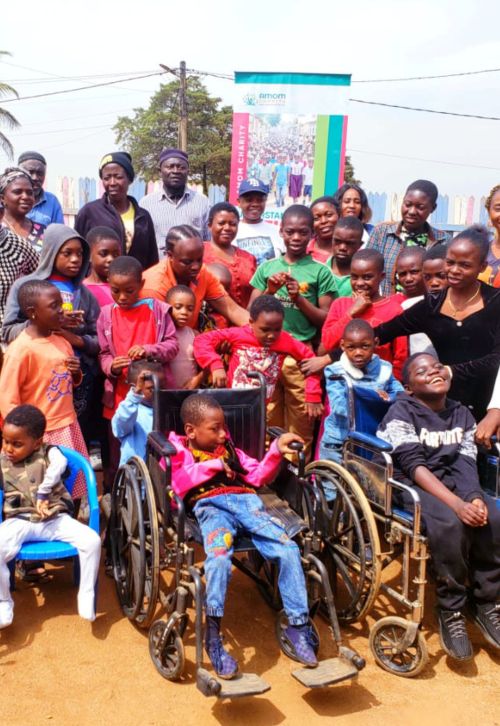
Autism is a lifelong neurodevelopmental condition. It can influence communication, social experiences, sensory processing and patterns of activity, but it does not define a person's value, intelligence or potential.
Some autistic people need extensive daily support; others need occasional accommodations. This resource explains the differences, answers common questions and offers practical guidance without stigma or miracle-cure claims.
Find answers to your questions ↗Explore the questions families, teachers and communities ask most. Open a question for an in-depth explanation, practical examples and useful guidance.
Autism is a lifelong neurodevelopmental condition. It influences how a person communicates, experiences social situations, processes sensations and responds to patterns or changes in everyday life. It is not a disease acquired through contact with another person, and autistic people are not all alike.
Some autistic people speak fluently; others communicate through gestures, pictures, communication devices or other methods. Some enjoy busy social gatherings; others find such settings exhausting. A person can have important strengths alongside substantial support needs.
Understanding autism begins with listening to the individual instead of assuming what they can or cannot do. Appropriate support may involve family guidance, educational accommodations, communication tools or professional services tailored to the person's priorities.
The spectrum describes diversity across multiple areas of experience, not a simple scale from “mild” to “severe.” Communication, sensory processing, daily living, attention, relationships and the need for support can vary independently.
A person who speaks well may nevertheless experience overwhelming sound sensitivity or difficulty managing change. A person who does not use spoken language may understand much more than others assume. Abilities and support needs also change with age, health, environment and life circumstances.
Rather than judging people by a single label, ask which situations are working, which are difficult and what practical adjustments could help. That is more useful than comparing two autistic people against a stereotype.
Autism is described medically as a neurodevelopmental condition; many autistic people also understand it as part of their identity and neurodiversity. Depending on the person and environment, autism may involve disabling challenges that warrant significant support.
Both perspectives can matter. Respect for an autistic person's identity should not obscure their right to clinical care, accessible education, communication assistance or disability-related accommodations when needed. Equally, support should not aim to erase harmless differences merely to make someone look more typical.
The practical question is how to reduce barriers and improve quality of life. Families and professionals can begin by asking what the individual needs and how to involve them in decisions.
No. Autistic people differ in personalities, interests, talents, experiences, cultural backgrounds and support needs, just as other people do. One person may love routine; another may actively seek novelty. Some may need daily assistance, while others live independently.
The familiar image of an autistic person portrayed in a television show cannot stand in for everyone. Such portrayals sometimes emphasize unusual talents or very visible behaviors and leave out the ordinary diversity of autistic lives.
A more respectful approach is to learn the person's preferred way of communicating and to ask before making assumptions. That applies at home, in school, at work and in public services.
Yes. Autistic people experience affection, friendship, love, grief, anxiety and empathy. They may express these feelings or interpret social signals in ways that others do not expect. Difficulty with a conventional social cue is not evidence of an inability to care.
A person might prefer direct speech to hints, need additional time to respond, or appreciate knowing the plan before meeting. Respectful relationships make room for these differences.
Families, friends and classmates can help by being clear, reliable and interested in the person's perspective. Meaningful inclusion means more than inviting someone into a room: it includes making the environment and interaction welcoming.
Autism does not determine a person's intelligence. Intellectual abilities vary widely among autistic people. Some also have intellectual disabilities, while others have average or above-average abilities. Uneven learning profiles are common: a person may excel in one area and need assistance in another.
Speech and intelligence are not interchangeable. Someone who uses few spoken words may still understand complex ideas; someone who communicates confidently may need significant support with planning, sensory regulation or everyday tasks.
Assessment should consider individual strengths, communication methods and appropriate testing accommodations. Teachers should avoid both underestimating and idealizing autistic students.
Autism is generally understood as lifelong. People's experiences and the ways they manage their environments can change substantially over time. Some children develop new communication and daily-living skills; adults may learn strategies that make particular challenges less visible.
Changes in visible traits do not necessarily mean a person has “grown out” of autism. Some people conceal or mask autistic characteristics, sometimes at considerable emotional cost. Support needs may increase during stressful transitions, illness or demanding life stages.
Lifelong inclusion means considering the needs of adolescents and adults, not treating autism as only a childhood issue.
Neurodiversity describes natural variation in human brains and ways of thinking, learning and processing information. The term is used to encourage understanding of differences including autism, while recognizing that people may also face real disabilities and require services.
A neurodiversity-informed approach does not mean rejecting healthcare or pretending challenges do not exist. It means involving people in decisions, respecting communication preferences and designing environments that reduce unnecessary obstacles.
For a school, that might mean allowing sensory breaks or alternative ways to demonstrate learning. For a family, it might mean prioritizing meaningful communication over forcing eye contact.
Possible early characteristics include differences in responding to a name, pointing to share interest, using gestures, speech development, imaginative play, sensory responses or social communication. Some children repeat words or movements, focus intensely on particular objects or find changes in routine difficult.
There is no single behavior that confirms autism. Children develop at different rates, and some of these signs have explanations unrelated to autism. A child who avoids eye contact, for instance, should not be diagnosed on that basis alone.
If you notice several developmental differences or a loss of previously acquired skills, document what you observe and discuss it with a qualified health professional. Families can seek practical support while an assessment is being arranged.
Some developmental differences can be noticed during the first two years of life, although timing varies. Others become clearer when a child begins school or faces more complex social situations. Some autistic people are not identified until adolescence or adulthood.
Developmental surveillance during routine child healthcare can help professionals identify concerns early. Screening tools can identify whether further assessment may be useful, but they are not by themselves a diagnosis.
There is no advantage in dismissing a caregiver's concern simply because a child is “too young.” If there are questions about communication or development, an informed conversation with a clinician is appropriate.
A professional assessment considers developmental history, current communication and behavior, daily functioning and the person's circumstances. It may include interviews with caregivers, direct observation, developmental tools and information from school or other settings. For adults, earlier life experiences can also be relevant.
No single blood test, brain scan or online quiz can establish autism. The exact assessment pathway differs between health systems and age groups, and other developmental or medical needs should be considered.
Families can prepare by noting examples of communication, sensory difficulties, strengths, routines and situations where support is needed. An assessment should lead to understanding and useful next steps, not just a label.
Yes. Some people reach adulthood without an explanation for differences they have experienced since childhood. They may recognize patterns in communication, sensory processing, routines or social relationships after learning more about autism.
Adult assessment should be conducted by appropriately qualified professionals and account for other conditions and life experiences. Some people have learned to mask their traits, which can make them harder to recognize.
For an adult considering assessment, it can help to write down long-standing experiences, major challenges and what they hope to gain—such as workplace accommodations or improved self-understanding. A formal diagnosis is not a prerequisite for treating someone with respect.
Autism occurs among people of all genders. Research and clinical experience indicate that some girls and women may be identified later, partly because their characteristics are overlooked or because they have developed strategies to mask social and sensory difficulties.
An outwardly sociable child may still experience significant exhaustion, anxiety or difficulty navigating unspoken expectations. Narrow stereotypes about who can be autistic can prevent a timely assessment.
Professionals and families should examine the person's actual experiences and support needs, rather than relying on a single expected presentation. Girls, boys, women, men and gender-diverse people all deserve attentive, individualized assessment.
No. Speech or language delay can have different explanations, including hearing differences, developmental language difficulties and other conditions. Some autistic children speak early or use very advanced vocabulary in their areas of interest.
If a child is not reaching expected communication milestones, a qualified professional can help evaluate hearing, language and wider development. Families should also recognize communication beyond speech: gestures, facial expressions, pictures and assistive devices can be meaningful.
Avoid waiting without support or applying a label based on one sign. The most helpful next step is an informed assessment and communication support suited to the child.
Many autistic people respond to sensory input differently. Everyday sounds, fluorescent lights, clothing seams, certain foods or crowded environments may feel intensely uncomfortable. Others seek movement, pressure or particular textures, or notice some sensations less.
An autistic child covering their ears at a celebration may be protecting themselves from distress, not rejecting the people around them. Sensory needs can change depending on fatigue, stress or setting.
Practical adjustments include quieter spaces, predictable schedules, softer lighting, headphones where appropriate, breaks and consultation with the person about what helps. Persistent pain or medical concerns still deserve clinical assessment.
Some families report that their child stopped using words, gestures or other skills they had previously developed. Any loss of established developmental skills warrants prompt evaluation because it can have more than one cause.
A clinician can assess developmental history, hearing, neurological and other health concerns and guide appropriate referrals. Families should not be blamed for noticing changes, and they should not be told simply to wait without discussing the concern.
Keep a factual record of what changed and approximately when. While seeking assessment, continue supportive communication and everyday interaction in ways that are comfortable for the child.
Large bodies of scientific research have found no causal link between vaccines and autism. Major public-health organizations, including the World Health Organization, have reviewed this evidence.
Autistic characteristics often become recognizable during the same years that routine childhood immunizations are given. Events occurring around the same time do not show that one caused the other. False claims can increase fear and leave children vulnerable to preventable infections.
If you have concerns about a vaccine, discuss them with a qualified healthcare professional who can explain its benefits, risks and schedule. Avoid relying on viral anecdotes or claims that promise a simple explanation for a complex developmental condition.
No. Autism is not caused by insufficient affection, strict discipline or a caregiver's personality. Research points to complex genetic and developmental factors, not parental failure.
The belief that parents caused autism can be particularly harmful. It discourages families from asking questions, fuels stigma and shifts attention away from practical assistance. Caring for an autistic child may require new approaches, but that does not mean parenting created the condition.
Families benefit when communities offer listening, accurate information and support without accusation. Schools and health workers can reinforce this by addressing concerns respectfully and avoiding blame.
No. Autism is a neurodevelopmental condition, not proof of wrongdoing, a curse or a family's moral failure. People may hold different personal beliefs, but those beliefs should never justify discrimination, violence, abandonment or withholding healthcare and education.
Misconceptions can isolate families or delay access to useful information. Community, cultural and faith leaders can play positive roles by encouraging dignity, acceptance and appropriate professional support.
A child or adult who communicates or behaves differently still has the same fundamental right to safety, learning and community participation. AMOM's educational approach focuses on replacing blame with understanding.
Autism is a lifelong neurodevelopmental condition rather than an infection or illness that a medicine can remove. There is no scientifically established cure for autism.
Supports can improve communication, learning, well-being and daily functioning, particularly when adapted to the person's needs and preferences. Other health conditions, such as anxiety, sleep problems or epilepsy, may require their own medical care.
Families should be wary of people selling miracle cures, extreme diets, unproven chemicals or coercive treatments. Ask about evidence, risks, qualified supervision and whether a proposed approach respects the individual's dignity and autonomy.
No. Autistic people have a broad range of abilities and interests. Some have distinctive strengths or specialist talents, while others do not. Having autism does not automatically make a person a mathematical genius, an artist or someone with an extraordinary memory.
Positive stereotypes can create pressure just as negative ones do. A learner may require accommodations even if they perform well in one subject, while another may need more foundational support.
A respectful approach celebrates real strengths without requiring extraordinary achievement to justify inclusion. Everyone deserves support and opportunity, whatever their ability profile.
No. Autism cannot be transmitted through touch, friendship, sharing food, living together or attending the same school. It is a developmental condition, not an infectious disease.
This misunderstanding can lead to exclusion from classrooms and social activities. There is no health reason to isolate an autistic person because of their autism.
Families, teachers and community leaders can correct the misconception clearly and warmly. Children benefit when adults model ordinary inclusion—inviting autistic classmates to participate, accommodating communication differences and challenging teasing or discrimination.
No. Autistic people can care deeply about others and form meaningful emotional relationships. What differs may be the way someone expresses concern, interprets social signals or responds under stress.
A person who does not make expected eye contact or offer a conventional comforting phrase might still be attentive and compassionate. Some people also experience strong emotional reactions but need time to process them.
Instead of judging feelings from one gesture, use clear communication and ask what support or form of connection works for the individual. Empathy is more than following a single social script.
Begin by listening to the concerns and questions that matter most to your family. Arrange a conversation with a qualified developmental or healthcare professional, especially if development, communication or safety is affected. A formal assessment may help identify support needs and appropriate referrals.
At home, pay attention to your child's strengths, preferred activities, sensory needs and communication. Record examples that may assist professionals and teachers. Ask which practical accommodations can begin immediately; you do not need to postpone every supportive adjustment until a diagnosis is complete.
Seek reliable information, build a network of trustworthy people and avoid anyone offering guaranteed cures. Parents deserve support, and the child's preferences should guide decisions whenever possible.
Communication includes much more than speech. A child may express needs through gestures, facial expressions, movements, pointing, pictures, signs or a communication device. Treat these attempts as meaningful.
Use clear, patient language and allow time for a response. Visual choices, predictable routines and augmentative and alternative communication (AAC) can make interactions more accessible. A qualified speech and language professional can help identify suitable methods.
Never assume that a person who is non-speaking does not understand. Continue to speak respectfully, involve the child in decisions and provide opportunities to communicate in ways that work for them.
Sensory overload can occur when lights, noise, crowds, touch or other input become overwhelming. The person may withdraw, become distressed, cover their ears or struggle to communicate. Responses vary and are not necessarily deliberate misbehavior.
Reduce stimulation if possible, offer a quieter space and avoid adding demands in the moment. Some people find headphones, familiar objects or time alone helpful; others need a trusted person nearby. Ask about preferences when the person is calm.
Afterward, consider what triggered the distress and whether the environment could be adjusted. If behavior is sudden or unusual, also consider pain, illness or other health needs.
A meltdown is commonly used to describe an intense response to overwhelming sensory, emotional or situational demands. A tantrum is a broader term sometimes used for distress linked to frustration or an unmet desire. In real life, interpreting a child's experience from the outside is not always straightforward.
Labeling an autistic child's distress as manipulation can obscure communication or sensory needs. Prioritize immediate safety, reduce demands and help the child regain a sense of security.
Later, look for patterns: transitions, fatigue, hunger, pain, noise or uncertainty. A professional may help families identify supports for recurring episodes. Punishment during overwhelming distress is unlikely to address its cause.
Yes. Participation should be meaningful and flexible rather than measured by how closely someone follows every social expectation. Some children enjoy busy events; others prefer shorter visits or quieter spaces.
Before an event, explain what will happen, who will be present and whether plans may change. Consider a quiet place, sensory aids, preferred food or an agreed way to leave early. Make room for alternative ways to greet relatives or engage with activities.
Relatives can support inclusion by avoiding pressure for eye contact, hugs or lengthy conversation. The goal is connection and dignity, not forcing a child to perform comfort for others.
Siblings and relatives can be valuable sources of friendship, acceptance and practical support when they receive age-appropriate information about autism. Explain differences without making one child responsible for another child's care.
Encourage direct communication, shared interests and respect for sensory or communication needs. Make time for each family member's experiences and feelings, including those of siblings who may have questions or responsibilities.
Extended family can reduce stress by offering practical assistance, challenging stigma and following family preferences. Help is most useful when it respects the autistic person's autonomy and the caregiver's needs.
Some autistic people experience sleep problems, selective eating, anxiety, gastrointestinal symptoms or other health concerns. These needs should not simply be dismissed as “part of autism.” They may have treatable causes or require individualized care.
A clinician or suitably qualified specialist can explore contributing factors and recommend appropriate support. For example, sensory preferences may affect food choices, while changes in routine may increase anxiety.
Avoid restrictive diets, supplements or medications promoted without sound evidence. A safe plan should account for nutrition, medical risks, family circumstances and the person's own preferences.
Start with the individual's communication preferences and priorities. Even young children or people who use non-speaking communication can often express choices when given appropriate tools, time and support.
Families may need to represent someone in healthcare or school decisions, but should still seek their participation wherever possible. Ask whether proposed support improves safety, communication and quality of life rather than merely reducing visible differences.
Autistic adults and self-advocates provide important perspectives about dignity, relationships and accessibility. Listening to them can help families make more informed and respectful decisions.
Yes. Many autistic learners participate in mainstream education when appropriate supports are available. Others may benefit from additional specialist input or different learning environments. The right setting depends on individual needs, local services and the quality of support—not assumptions about autism alone.
Useful accommodations might include predictable routines, visual instructions, alternative communication, quiet spaces, reasonable time adjustments and staff trained to understand sensory needs. Collaboration with caregivers and the learner is essential.
Inclusion must be meaningful. Merely enrolling a child without addressing barriers to participation, safety or learning does not achieve an inclusive education.
Begin by getting to know the learner's strengths, communication style, interests and possible stressors. Clear instructions, predictable structure, visual supports and flexible ways to demonstrate learning can reduce unnecessary barriers.
Provide advance notice of changes when possible. Avoid demanding eye contact as proof of attention. Consider seating, noise levels, breaks and the possibility of alternative communication. Small adjustments can make a significant difference.
Work with the student, family and relevant professionals to review what helps. Approaches should be individualized; a strategy that benefits one autistic child may not suit another.
Reasonable accommodations are practical changes that help a person access learning, employment or services on a more equal basis. They respond to barriers rather than granting unfair advantages.
Examples include written instructions, sensory breaks, reduced background noise, flexible communication formats, advance schedules or additional time to process information. The appropriate adjustment depends on the individual and the context.
Schools and organizations should discuss accommodations with the person and review their effectiveness. Inclusive design often benefits many people, not only those with a formal diagnosis.
Supports may include speech and language therapy, occupational therapy, mental-health care, educational assistance, social communication supports or tools for daily living. The right combination depends on a person's needs and preferences.
Evidence, safety and the individual's experience matter. A good support plan uses meaningful goals—such as communicating needs, participating in school or reducing distress—rather than trying to eliminate harmless autistic characteristics.
Qualified professionals should explain the expected benefits, possible risks and how progress will be assessed. Families should feel able to ask questions and decline approaches that are coercive or unsafe.
AAC includes methods that supplement or replace spoken language, such as picture boards, symbols, gestures and speech-generating devices. These approaches can help people express ideas, preferences, emotions and needs.
AAC is not a sign that someone cannot learn spoken language. It can support communication at different stages of development and may reduce frustration when speech is difficult or unavailable.
A qualified communication professional can advise on selecting and introducing a method. The most important principle is to provide genuine opportunities to communicate—and to respect what the person communicates.
Bullying and exclusion can cause serious harm to an autistic learner's well-being and educational participation. Schools should take reports seriously, intervene promptly and avoid placing responsibility for mistreatment on the child being targeted.
Create clear anti-bullying expectations, accessible reporting channels and opportunities for peers to learn about respectful differences. Monitor places where supervision is limited, and work with families to address repeated concerns.
Inclusion should be measured by whether students are safe and able to participate, not just by attendance figures. Autistic students deserve to be heard in decisions that affect them.
Autistic adults have varied paths. Some live and work independently, some need occasional accommodations, and others require extensive support for everyday living. Independence itself should not be treated as the sole measure of a meaningful life.
Useful preparation can include communication supports, accessible vocational training, transportation planning, workplace adjustments and help with transitions from school to adulthood. Interests and strengths may guide career exploration, but each person's preferences matter.
Employers and communities contribute by making systems understandable, reducing sensory barriers and judging people fairly. Dignity and opportunity should not depend on one fixed level of support need.
Ask what the service aims to achieve, who provides it, what qualifications they have and how the person's preferences will be respected. A trustworthy provider should explain costs, expected benefits, limitations and risks clearly.
Look for individualized goals and transparent progress reviews. Be cautious of guaranteed outcomes, miracle cures, pressure to purchase expensive packages or approaches that use humiliation or physical punishment.
Where specialist resources are scarce, families may need to combine community guidance, school supports and remote or referral services. Even then, the priority remains safety, dignity and evidence-informed care.
Barriers can include limited specialist services, cost, distance, language differences and shortages of accessible information. Misconceptions about childhood development may also lead families to delay asking for help or feel ashamed to discuss concerns. These challenges differ significantly across countries and communities.
Public education is most effective when it uses respectful language, listens to local experiences and gives families practical information about referral pathways and everyday support. Community leaders, schools and healthcare workers all have roles to play.
AMOM seeks to contribute through autism-awareness activities that encourage informed conversations and reduce stigma in communities where reliable guidance can be difficult to find.
The first step is to replace blame and stereotypes with accurate information. Community meetings, school discussions, healthcare education and thoughtful media coverage can help normalize developmental diversity and challenge harmful myths.
But awareness alone is not enough. Communities should consider whether autistic people can attend school, visit healthcare facilities, join activities and participate without unnecessary barriers or ridicule.
Listen to autistic people and caregivers about the changes they consider most urgent. A welcoming community is demonstrated through everyday choices, not just awareness-day slogans.
AMOM reported an autism education initiative in 2026 that reached approximately 350 parents, guardians, educators and community members. The activities aimed to bring reliable information into community conversations and support more informed responses to developmental differences.
The Foundation has also reported autism-related support associated with advocacy and fundraising efforts, including parent and teacher education connected to the Kilimanjaro campaign.
These activities are important beginnings. They should be presented alongside their original project reports and photographs, without assuming that outreach attendance is equivalent to a clinical diagnosis, professional training credential or long-term outcome.
AMOM reported engaging 57 postnatal women in an autism-awareness activity at Bafut District Hospital in April 2026. Discussing child development in a maternal healthcare setting can help caregivers recognize questions worth raising with qualified professionals.
This engagement is reported separately from the wider initiative that reached approximately 350 people. Without individual participant-level data, those figures should not automatically be added together as a unique beneficiary total.
The purpose of publicizing this activity is to highlight practical family education and encourage informed support, not to suggest that the hospital conducted autism diagnoses during the outreach.
The AMOM Inclusive Center is a developing flagship initiative intended to strengthen access to family guidance, inclusive learning and collaboration with appropriately qualified professionals. Its proposed priorities include information for caregivers, educational inclusion, specialist partnerships and community awareness.
The Center is in development. The existence of outreach projects does not mean that all proposed center services are already operational. Staffing, facilities, approvals, partnerships and sustainable funding will determine which services can be introduced and when.
AMOM can report progress transparently through its center page and project milestones, explaining what has been completed, what is planned and what support is needed next.
Endurance events can bring people together around a cause and create visibility beyond a single community. Afowiri Fondzenyuy's marathon advocacy has connected AMOM with public awareness and fundraising activities, including support for autism-related education in Cameroon.
Campaigns are strongest when they move beyond a finish-line celebration: funds and attention should support clear activities, documented results and responsible public updates.
Visitors who want to participate can explore AMOM's Advocacy Through Sport program, join suitable events where available or contribute through the foundation's central Donate page. International examples such as OAR's RUN FOR AUTISM show one model for linking sport and community support.
AMOM uses a central donation page that connects to its configured Zeffy donation form. Select the **Donate to Support Autism Inclusion** button to visit that page and follow the instructions provided there.
A donation helps the foundation pursue its overall mission and activities. Unless the donation form explicitly provides a designated fund or allocation, do not assume that the payment is automatically reserved for one individual project.
Donors can also read AMOM's published project stories and Inclusive Center updates to understand its work, development plans and partnership priorities.
Partnerships may involve healthcare education, teacher development, accessible communication materials, research collaboration, professional expertise, community outreach or practical resources for future services. The right opportunity depends on the organization's expertise and AMOM's current projects.
Interested schools, hospitals, universities, community groups and businesses can use the **Partner With AMOM** page to begin a conversation. Clear objectives, roles, safeguarding practices and reporting expectations should be agreed before a project begins.
A partnership inquiry is not a claim that any named organization already endorses or funds AMOM. The foundation should publicly identify confirmed collaborations separately from proposed ones.
AMOM may benefit from people with skills in education, communication, event organization, translation, community engagement, accessibility, administration and other relevant areas. Opportunities depend on active projects, supervision and safeguarding requirements.
A qualified clinician's role cannot automatically be filled by a well-meaning volunteer without the necessary professional credentials and local approvals. Every volunteer should understand the scope and boundaries of their contribution.
Use the **Volunteer With AMOM** page to explain your experience and availability. AMOM can then identify whether there is an appropriate opportunity to discuss.
Try a different word or select All topics.
Misinformation and stigma can make it harder for families to seek support and for autistic people to feel welcome. Accurate information is not a luxury—it is part of creating safer, more inclusive communities.
Fact: Autism is neurodevelopmental. It is not caused by poor parenting or a lack of affection.
Fact: Autistic learners can develop skills and participate when learning environments respond to their needs.
Fact: Extensive scientific evidence does not support a causal link between vaccines and autism.
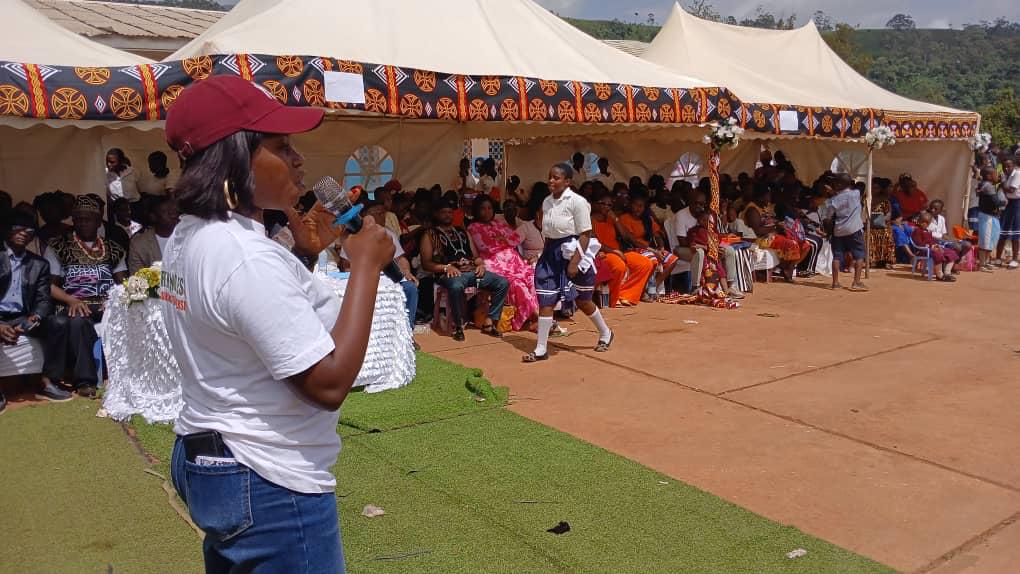
AMOM Foundation has brought autism education into conversations with parents, caregivers, teachers and community members in Cameroon. Its 2026 activities demonstrate how practical information can help challenge misconceptions and encourage families to ask informed questions.
These are separate reported outreach figures and are not automatically combined as unique beneficiaries.
Explore AMOM's autism work ↗An upcoming AMOM film can bring together the voices of families, educators and community partners, showing what understanding and inclusion mean in everyday life.
Explore advocacy through sport ↗The developing AMOM Inclusive Center is envisioned as a place where family guidance, inclusive learning, community education and professional collaboration can come together.
The Center remains in development. Its eventual services will depend on funding, facilities, qualified personnel, partnerships and appropriate approvals. AMOM will distinguish completed outreach from future service plans.
Explore the Inclusive Center ↗
Explore established health information, family resources and African perspectives. These are independent organizations; inclusion here does not imply formal partnership with AMOM.
Autism overview, health, support needs and inclusion.
Visit resource ↗Characteristics, diagnosis and guidance for families.
Visit resource ↗Regional inclusion, awareness and advocacy.
Visit resource ↗Research information and resources for families.
Visit resource ↗Information kits and practical resources for families.
Visit resource ↗Research-based resources and inclusion programmes.
Visit resource ↗Educational information only. This page is not a diagnostic tool or a substitute for professional medical, developmental or mental-health advice. Medical FAQ content should undergo expert review before public release.
Donate to help AMOM advance autism education, family awareness and inclusion initiatives.
Donate to autism inclusion ↗Bring professional expertise, institutional knowledge or practical resources to suitable AMOM projects.
Partner with AMOM ↗Express interest in education, communications, community outreach or other appropriate volunteer roles.
Volunteer with AMOM ↗