Welcome to Amom Foundation

Welcome to Amom Foundation
Completing a training programme is an important achievement, but a certificate does not automatically become a successful business.
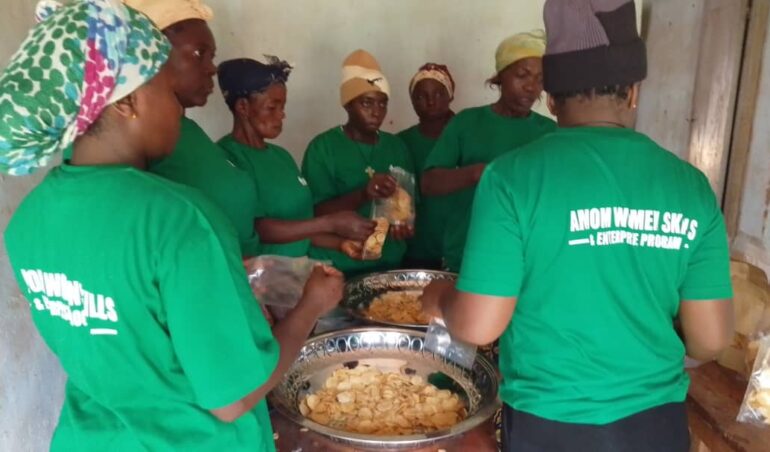
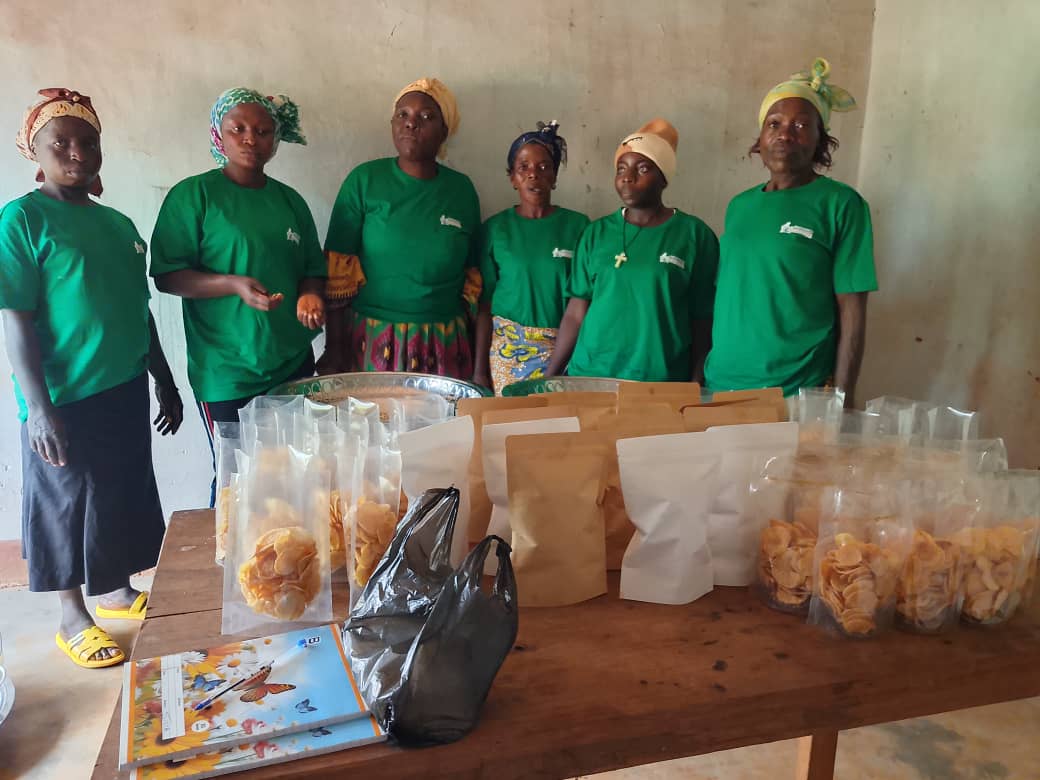
Following the completion of practical training in Irish potato chips processing, a three-month follow-up and mentorship programme has been proposed for participants in Ngondzen. The initiative, submitted by Taka Hanson Awa, is designed to help participants move from learning production techniques to establishing sustainable income-generating enterprises.
During the initial training, participants gained practical knowledge in potato processing, flavouring, food safety, packaging, quality control and marketing. The proposed follow-up programme would provide the technical and business support needed to put those skills into practice.
New entrepreneurs often struggle after training because they lack equipment, financing, technical guidance, market access and basic business-management skills.
These obstacles can prevent participants from beginning production or cause their businesses to fail before they have a chance to grow. The proposed mentorship programme seeks to address these weaknesses through structured monitoring, coaching and market support.
Its overall goal is to strengthen the capacity of trained participants and support the establishment and growth of Irish potato chips-processing enterprises.
The three-month initiative would combine practical technical assistance with business-development support.
Monthly visits would be conducted to assess participants’ progress, identify production challenges and provide technical guidance at their places of operation.
Participants would attend monthly group sessions where they could discuss technical and business challenges, share experiences and learn from one another.
The programme would assist participants with business planning, basic record-keeping, financial management, branding and packaging.
Participants would be connected with potential buyers, distributors and retailers. The programme would also explore opportunities for them to participate in agricultural fairs and exhibitions.
Production volumes, businesses established, income changes and access to markets would be monitored. Success stories and lessons learned would also be documented.
The proposal includes plans to establish a local processing unit with basic utensils, a weighing scale, packaging materials and personal protective equipment.
A shared processing arrangement could reduce the cost of entry for individual participants while encouraging collaboration, consistent product standards and collective access to larger markets.
The programme has a proposed budget of 415,000 FCFA, covering field visits, transport, basic processing supplies, packaging, protective equipment, monitoring, communication and related implementation costs.
The programme aims to have at least 80 per cent of participants actively applying the skills acquired during training.
Other expected results include:
Participants would also be encouraged to form processing groups and business networks to support shared learning, joint production and collective market access.
The proposed mentorship programme recognises a hard truth: one-off training rarely creates lasting economic change without follow-up support.
If properly implemented and measured, the programme could help participants overcome the difficult transition from learning a skill to running a viable enterprise. It could also contribute to local job creation, stronger household incomes and a more resilient agricultural economy in Ngondzen.
The training planted the seed. Structured mentorship, market access and practical business support are what will determine whether it grows.


Leave a Reply