Welcome to Amom Foundation

Welcome to Amom Foundation
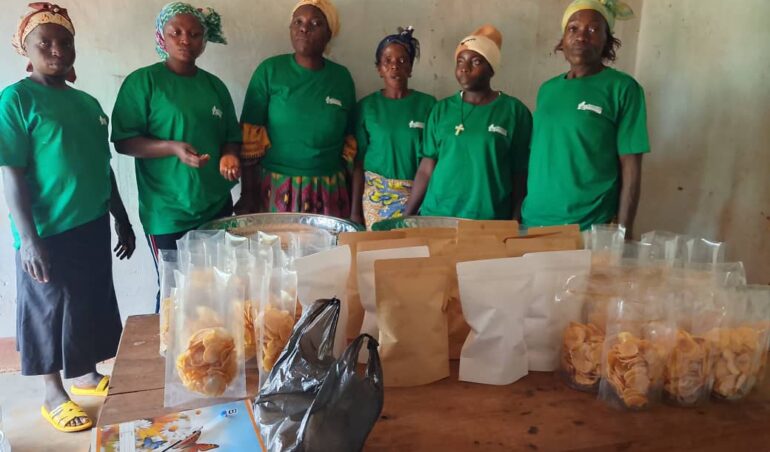
Irish potatoes are an important source of food and income for many farming communities. However, when farmers sell only raw potatoes, they remain vulnerable to low prices, limited markets and post-harvest losses.
A recently completed Irish Potato Chips Processing Training Programme demonstrated how value addition can turn this familiar crop into a marketable product and a potential source of sustainable income.
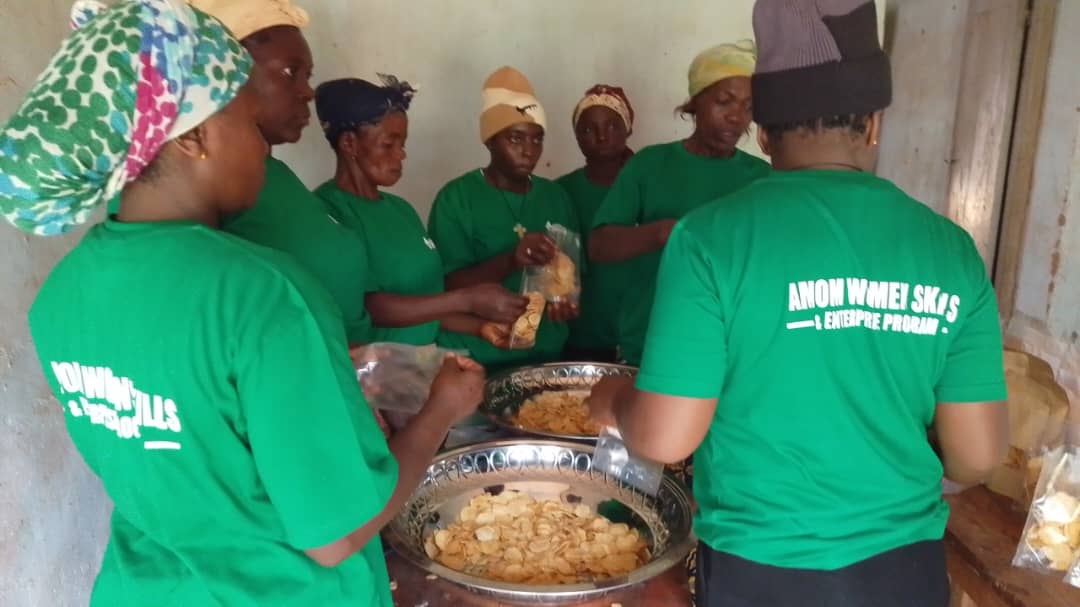
The practical training brought together 11 farmers and equipped them with essential skills in potato selection, processing, flavouring, food safety, packaging, quality control and marketing.
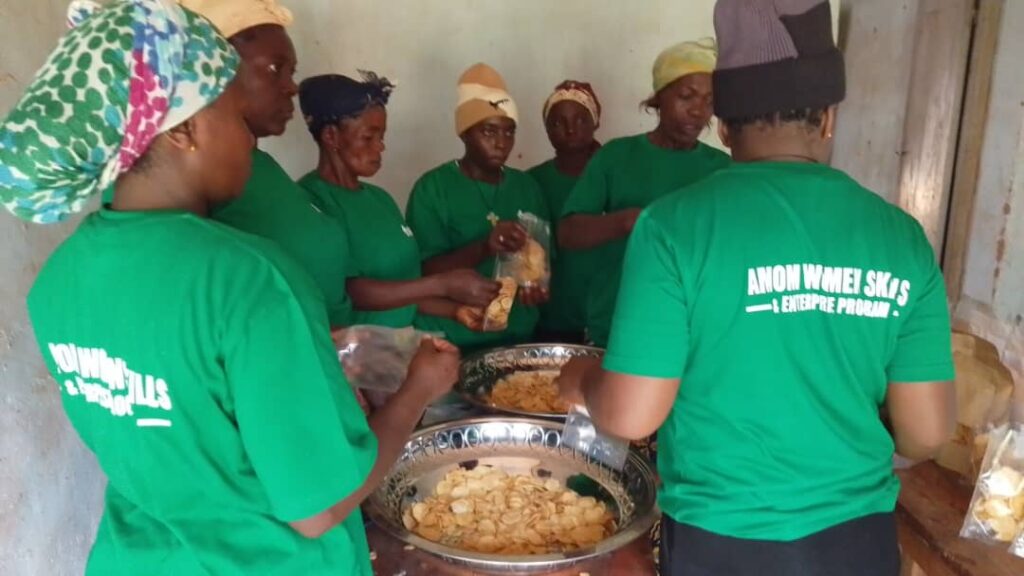
The programme moved beyond classroom theory. Participants took part in practical demonstrations covering the main stages of potato-chip production, from selecting suitable raw potatoes to preparing and packaging the finished product.
They learned how to produce three varieties of chips:
The training also addressed personal hygiene, safe food handling, product consistency, labelling and quality assurance. These areas are critical because producing a tasty product is only half the job. To compete in the market, entrepreneurs must also deliver food that is safe, properly packaged and consistent in quality.
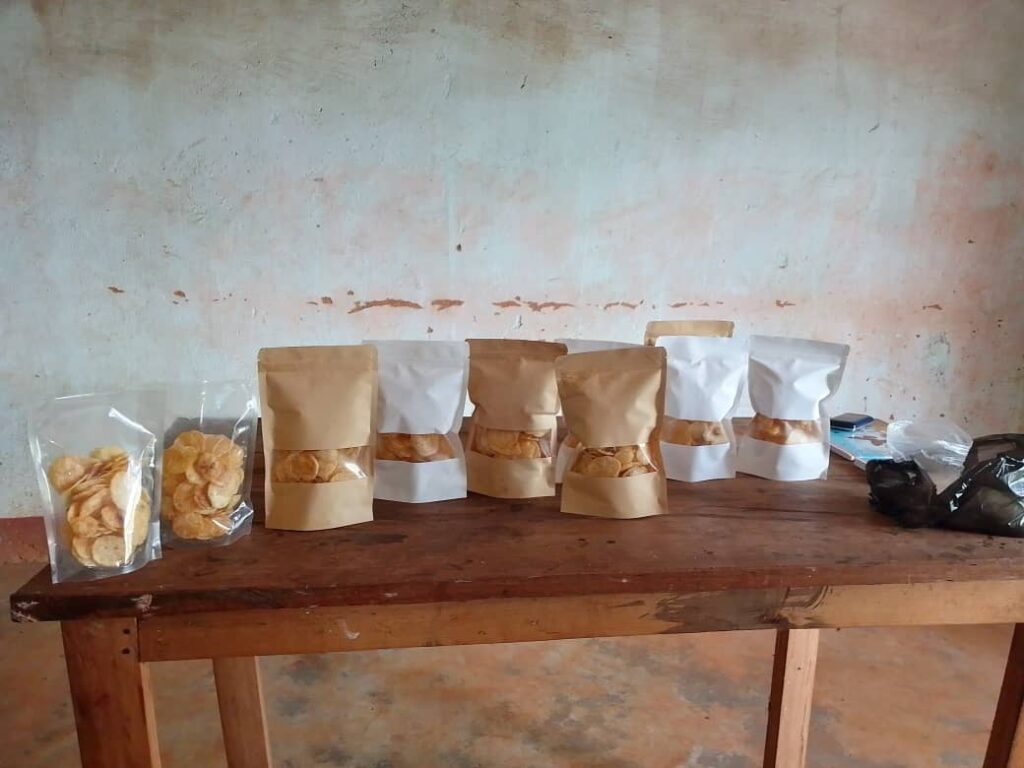
Processing Irish potatoes into chips offers farmers an opportunity to earn more from their harvests while reducing losses caused by spoilage or limited demand for fresh produce.
Instead of selling potatoes only as raw agricultural products, farmers can transform them into packaged goods with a longer shelf life and greater commercial value. This creates opportunities for small businesses, household income and local employment while strengthening the agricultural value chain.
By the end of the programme, participants had gained practical processing skills and a stronger understanding of food safety, quality management and small-scale commercial production.
They expressed satisfaction with the practical demonstrations and the relevance of the training. Many indicated that they intended to apply the knowledge to improve their businesses and increase household income.
The strong interest in establishing potato-processing enterprises shows that the programme addressed a real economic need. However, training alone will not guarantee business success.
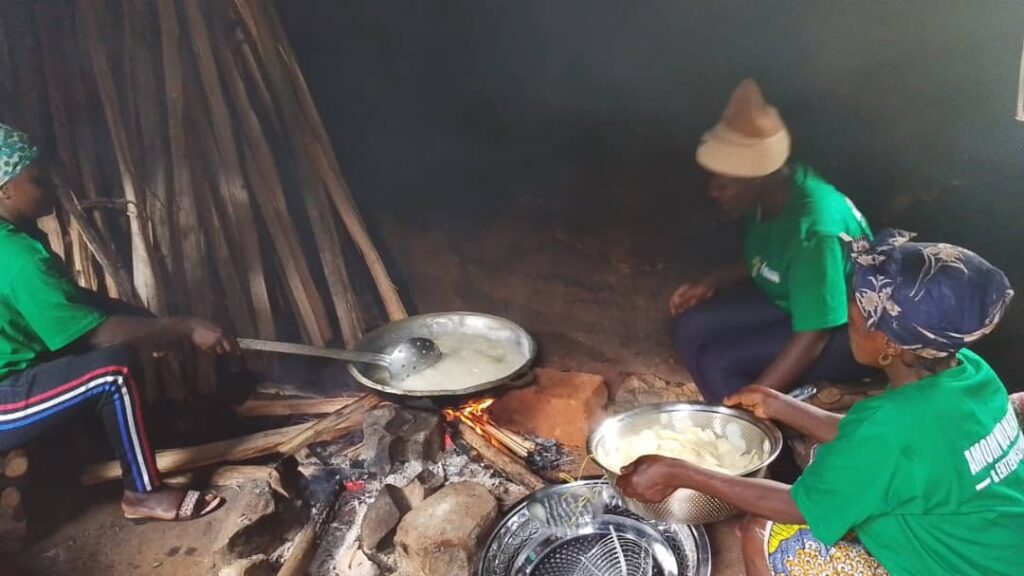
Participants will still need access to appropriate equipment, financing, mentorship and reliable markets. Without these, valuable skills can remain unused.
Follow-up support should therefore focus on:
The training programme successfully demonstrated that Irish potato processing can become a viable small-scale agribusiness. The next challenge is ensuring that participants can turn what they learned into consistent production, stronger incomes and sustainable enterprises.
By investing in practical skills and agricultural value addition, communities can transform locally grown crops into engines of opportunity and economic resilience.


Leave a Reply